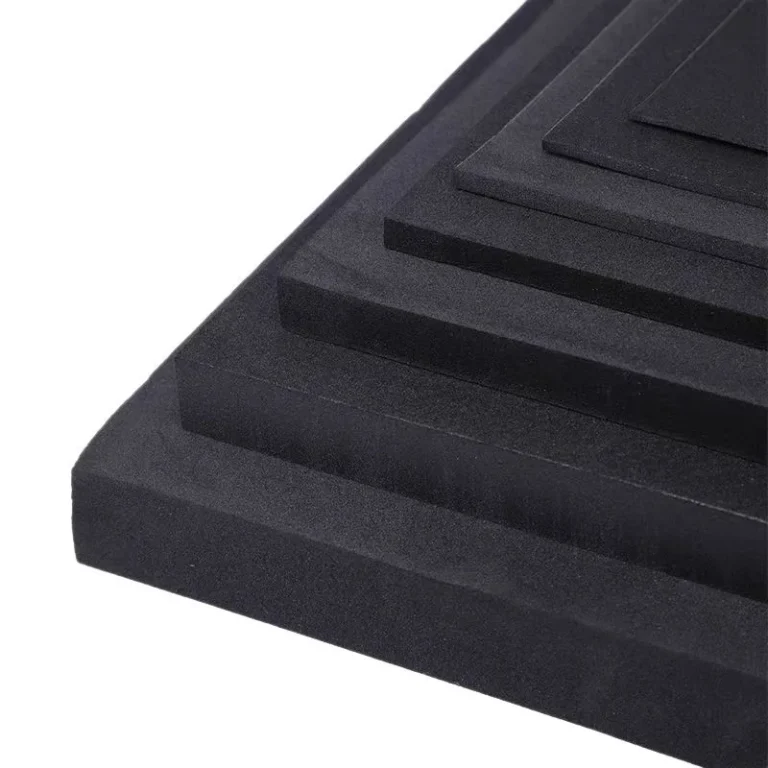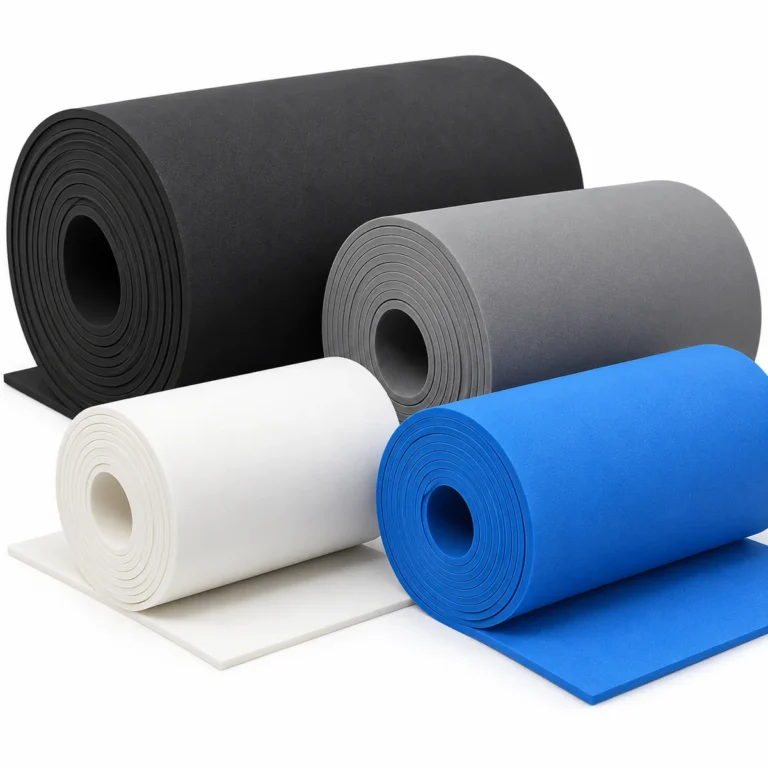
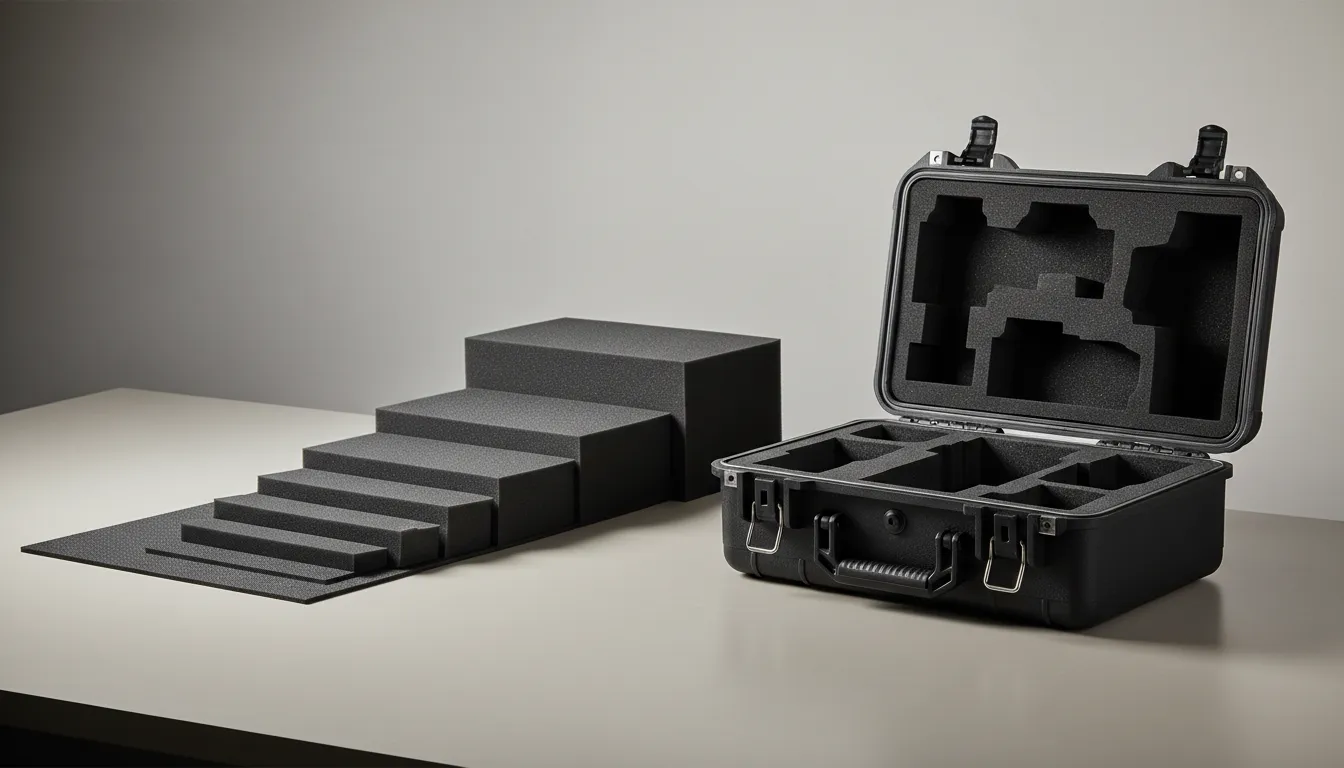
How to Select EVA Foam Thickness for Cushioning and Protection
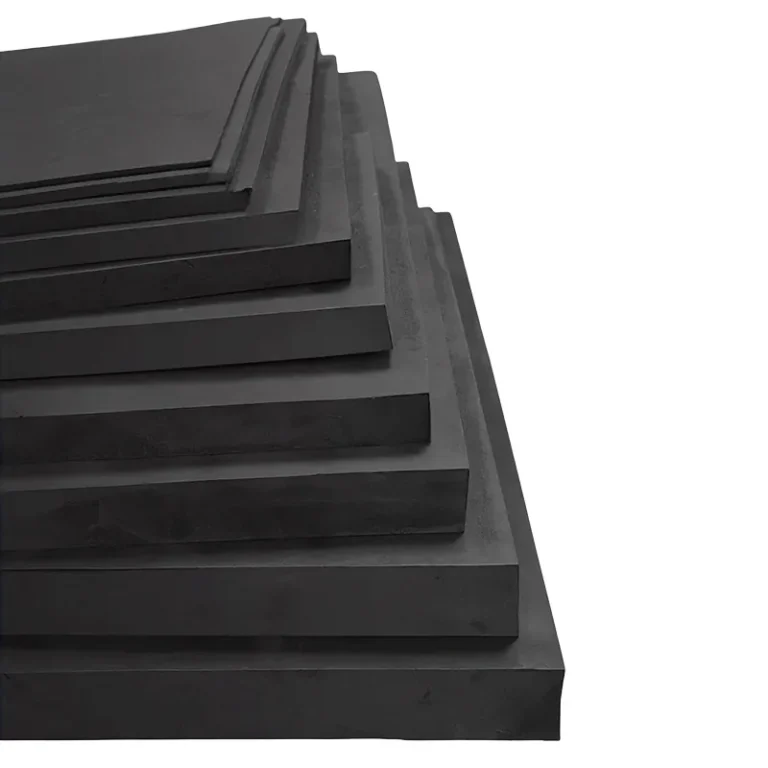
Choosing the right EVA foam thickness for cushioning and protection affects available cushioning travel, product fit, package size, material use and insert stability. A thicker insert is not automatically safer. Product weight, density, hardness, fragile areas, available space and transport conditions must be considered together.
Start with the product and available space
Record the product length, width, height, weight and fragile areas. Then measure the usable internal space of the carton or case. The difference between those dimensions defines the maximum space available for base foam, side walls, dividers and lid foam.
- Product dimensions, weight and center of gravity
- Fragile corners, controls, lenses or protruding features
- Usable internal case or carton dimensions
- Required finger clearance and product removal method
- Orientation during packing, storage and transport
A tight fit can prevent movement, but excessive compression may make the product difficult to remove or place unnecessary force on sensitive areas. The correct fit should be confirmed with a sample.
How EVA Foam Thickness for Cushioning Works with Density and Hardness
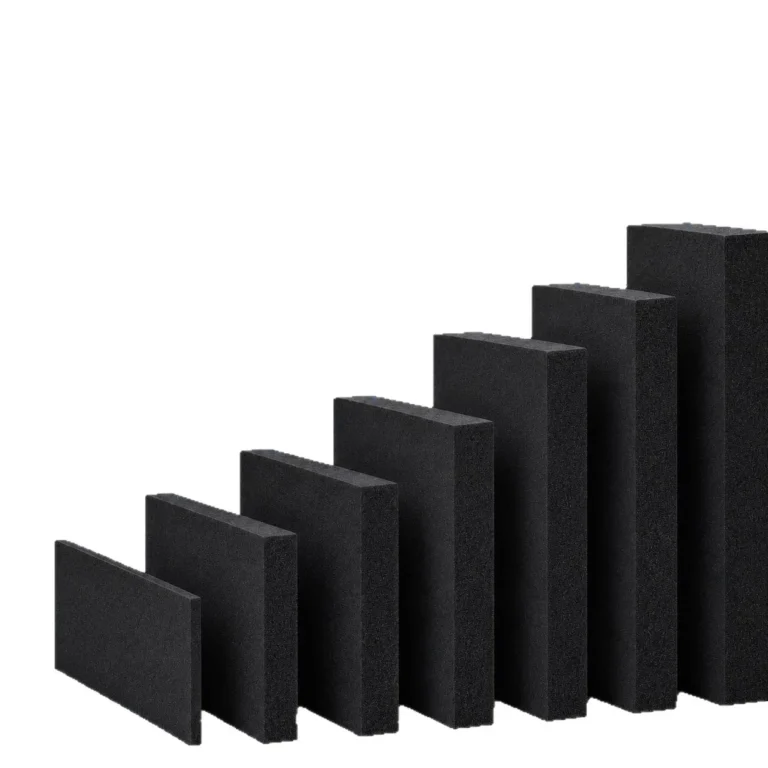
Thickness provides distance over which the foam can compress and absorb energy. Density and hardness influence how the foam resists load and recovers. Two EVA materials with the same thickness can behave differently, so thickness should not be specified without the material grade or an approved reference sample.
A very soft foam may compress too far under a heavy product. A very firm foam may limit movement but transmit more shock to a fragile item. The target is not the maximum thickness or hardness; it is a balanced construction for the actual load and risk.
Read the EVA foam density guide for a separate explanation of density, hardness and test methods.
Allow for the foam below the product
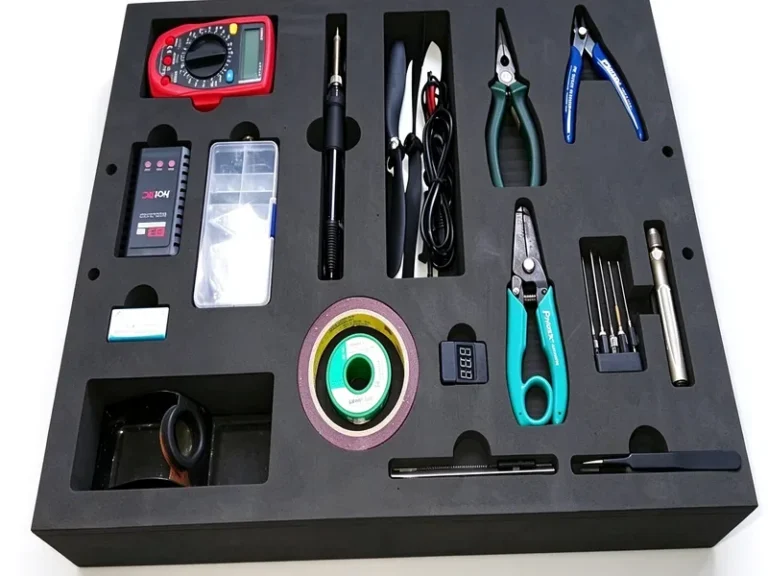
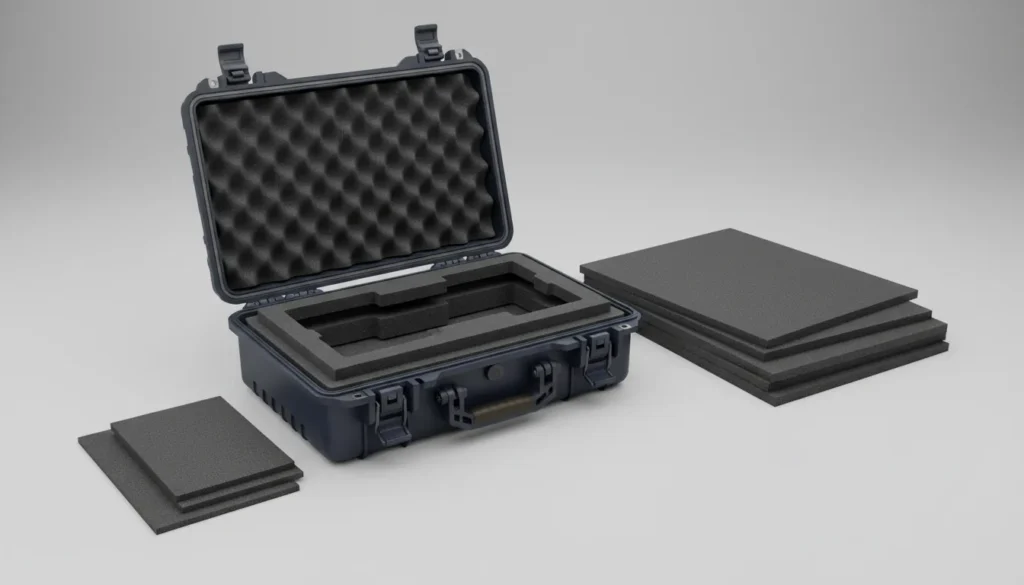
For a routed or layered cavity, total insert thickness is not the same as cushioning thickness. Subtract the cavity depth from the total foam thickness to find the material remaining below the product. That base layer must support the load and help prevent contact with the case or carton.
Deep products may require several laminated layers rather than one thick block. A base layer, cavity layer and top or contrasting layer can be evaluated separately.
Protect edges, corners and narrow walls
Protection is not only under the product. Review the distance between the cavity and outer edge, the foam around corners, narrow bridges between items and material beside heavy components. Thin walls may tear, distort or provide little isolation even when the overall insert is thick.
- Base thickness below the deepest cavity
- Side-wall thickness around the product
- Spacing between adjacent cavities
- Corner protection and clearance from the case wall
- Lid foam contact and compression
Consider lid foam and preload
Lid foam can limit vertical movement, but it should not press too hard on delicate parts. Convoluted or flat lid foam may be used depending on the product surface and available height. Check the closed-case condition, including hinges, latches and any variation in the case interior.
Match thickness to transport risk
A lightweight sample case, a reusable tool case and export packaging for a fragile instrument do not have the same risk. Review handling method, shipment distance, stacking, expected drops, vibration and whether the package will be reused. Demanding applications may require project-specific drop or vibration testing.
For broader material-selection guidance, see our guide to choosing EVA foam for packaging. This article focuses specifically on thickness, cavity design and cushioning space.
| Design input | Why it affects thickness |
|---|---|
| Product weight | Changes compression and support required |
| Fragility | Changes acceptable shock and contact pressure |
| Available case space | Limits base, side and lid foam |
| Cavity depth | Determines foam remaining below the product |
| Transport risk | May require more cushioning travel or testing |
| Material hardness | Changes load resistance at the same thickness |
Do not rely on universal thickness rules
Statements such as “20 mm is enough” are incomplete without product weight, material grade, geometry and test conditions. A thickness that works for one item may fail for another. Online charts can support initial discussion, but they do not replace a prototype or validated packaging design.
Prototype and test before bulk production
A representative sample can confirm product fit, removal clearance, base thickness, lid compression, edge stability and appearance. For demanding protection targets, test the packed product under the agreed handling conditions. Record any change to material, thickness or cavity geometry in the drawing revision.
Information to share with a supplier
- Product dimensions, weight and photographs.
- Case or carton internal dimensions.
- Fragile areas and required orientation.
- Target foam density, hardness or thickness if known.
- Transport, storage and reuse conditions.
- Prototype and production quantities.
- Drawing, sample and test requirements.
For the complete RFQ checklist, see what information is needed for a custom EVA foam quote.
Frequently asked questions
Is thicker EVA always better for protection?
No. Excess thickness can increase package size and cost, while the wrong hardness can still provide poor cushioning. The construction must match the product and risk.
How much foam should remain below a cavity?
There is no single value for every product. It depends on weight, fragility, material, support area, transport conditions and case construction.
Can several thinner layers replace one thick sheet?
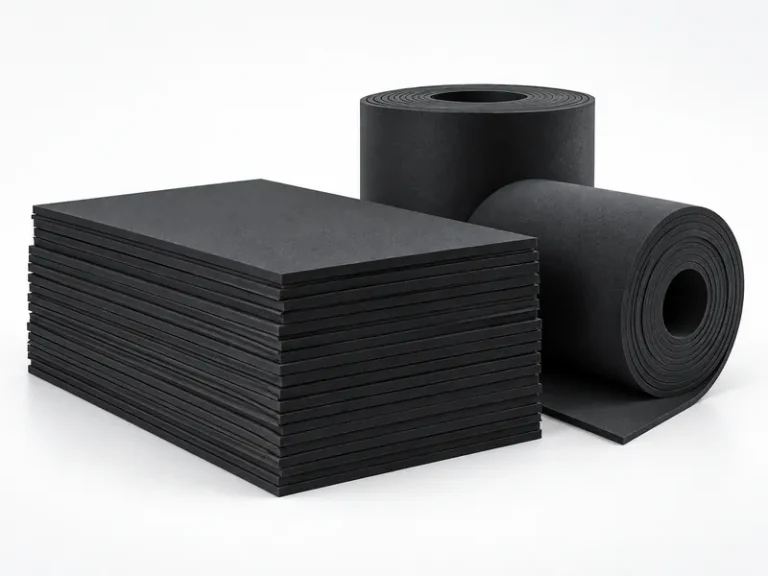
Yes, layered construction can create cavities, contrasting colors and a controlled base. The lamination, alignment and finished thickness must be approved.
Review Your Cushioning Design
Review our custom EVA foam solutions and insert design guide, or send your product and case dimensions for a project-specific discussion.