EVA vs PE Foam: Key Differences for B2B Buyers
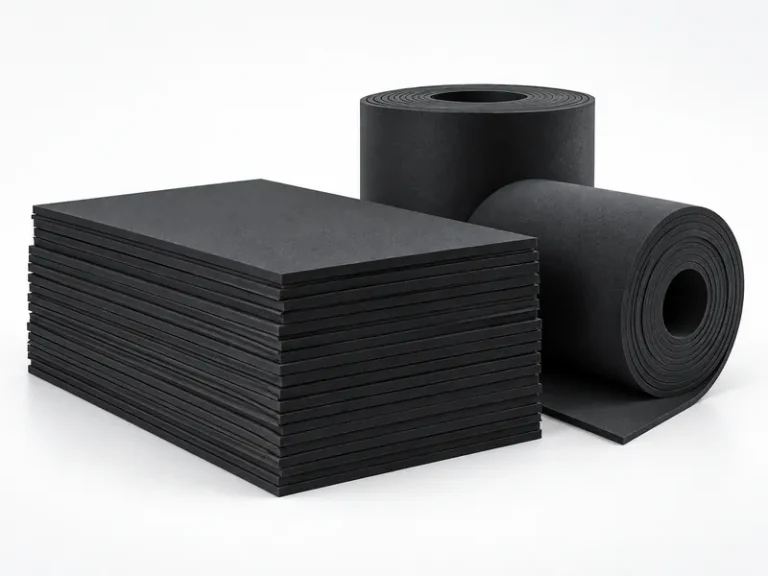
EVA and PE are both closed-cell foam families used in packaging, protective inserts and fabricated components. They can look similar in photographs, but the correct choice depends on the exact grade, density, hardness, thickness, processing method and end-use conditions. A buyer should compare approved samples and written specifications rather than selecting only by the material name.
What is EVA foam?
EVA foam is based on ethylene-vinyl acetate formulations. It is commonly selected when a project needs a resilient feel, clean presentation, color options, lamination or custom-cut shapes. Typical applications include case inserts, protective packaging, pads, sports products and other custom EVA parts.
What is PE foam?
PE foam refers to polyethylene-based foam products. Different PE foam grades are used in packaging and industrial applications. Structure and performance vary, so a general statement that one foam family is always softer, stronger or more protective would be misleading.
EVA vs PE foam: practical comparison
| Selection factor | EVA foam considerations | PE foam considerations |
|---|---|---|
| Feel and appearance | Often considered for a smooth, resilient feel and presentation-focused parts | Varies by grade and structure; often evaluated for protective and industrial use |
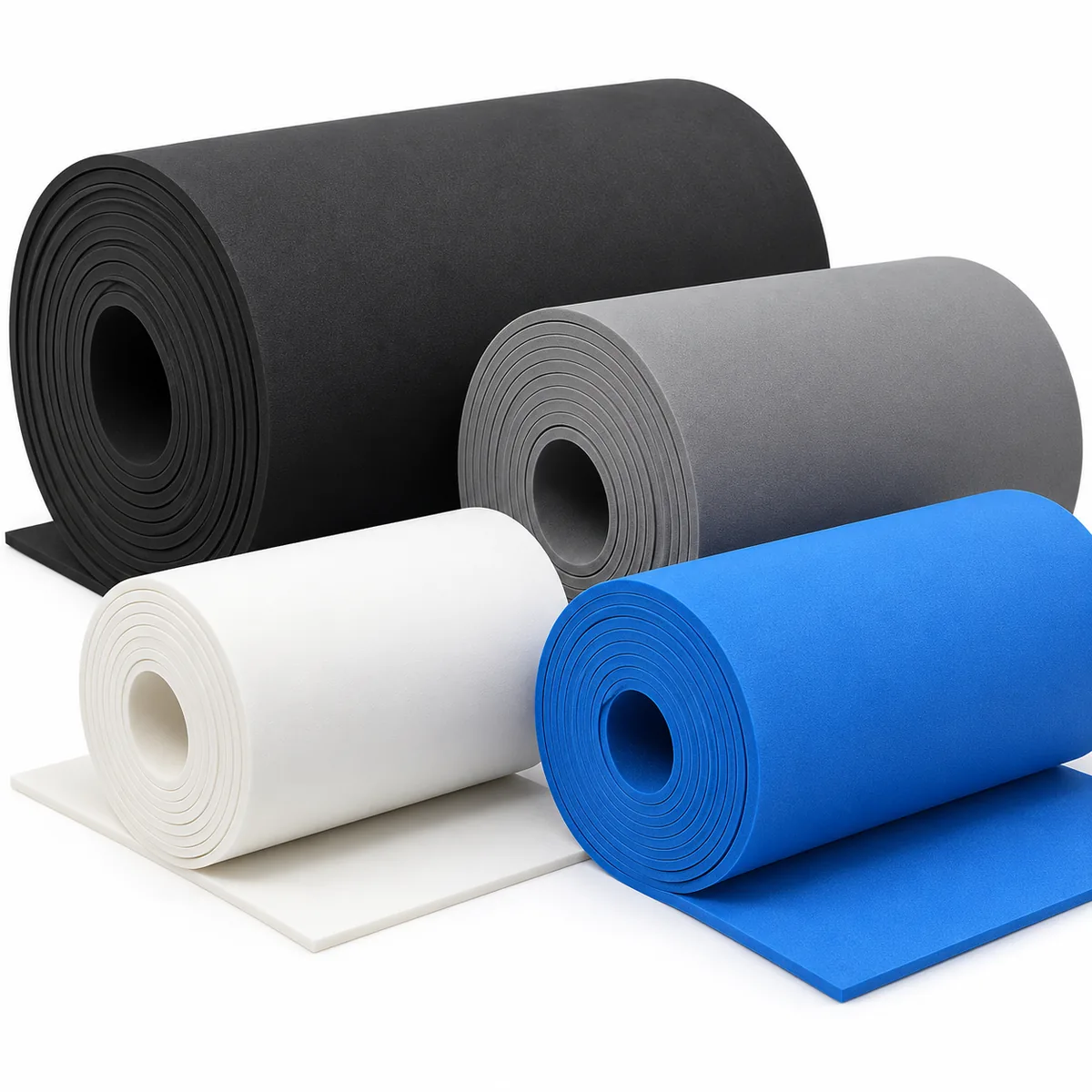
| Color and fabrication | Frequently specified in different colors, layers and custom-cut constructions | Available formats and processing depend on the selected supplier and grade |
| Cushioning | Must be matched by density, hardness, thickness and load | Must also be evaluated using the actual grade, thickness and load |
| Processing | Can be CNC routed, die cut, laminated and adhesive backed where appropriate | Processing compatibility should be confirmed for the exact PE foam grade |
| Approval | Use drawings, samples and a written specification before bulk production | |
Density and hardness must be compared separately
Density describes mass per unit volume. Hardness describes resistance to indentation under a defined test method. These specifications are related to material behavior but are not interchangeable. Two foams with a similar density can still feel and perform differently because their formulations, cell structures and hardness are different.
When cushioning or fit matters, provide the product weight, contact area, available thickness and expected compression. Review our EVA foam density guide for a fuller material-selection process.
How to choose for packaging and inserts
- Define the function. State whether the foam must cushion, hold, separate, seal, support or provide a presentation surface.
- Describe the product. Share weight, dimensions, fragile areas and any sensitive finishes.
- Confirm available space. Provide the case size, cavity depth and required finished thickness.
- Compare realistic samples. Test fit, appearance and performance with the actual product or a representative load.
- Record the approved construction. Keep the material, dimensions, tolerances, layers, adhesive, color and approved sample together.
For protective packaging, the best material is not automatically the firmest or highest-density option. Material that is too firm may transfer force, while material that is too soft may compress excessively. The complete insert design must control movement and protect the product within the available space.
Questions to send your supplier
- What product or component will the foam support or protect?
- What are the product weight and finished dimensions?
- Is the foam required as sheets, rolls, an insert or a fabricated part?
- What density, hardness or performance targets are already known?
- Are color, lamination, adhesive backing or graphics required?
- What quantity, packing method and destination are expected?
- Are project-specific reports or documentation required?
Common sourcing mistakes
- Comparing only the material name without checking the grade
- Assuming a higher density always provides better cushioning
- Ignoring thickness, hardness and cavity design
- Approving a quotation without an agreed sample or specification
- Requesting general compliance claims instead of documents for the exact material
Frequently asked questions
Is EVA always better than PE foam?
No. The correct choice depends on the product, load, available thickness, environment, processing and commercial requirements.
Can I choose from a data sheet alone?
A data sheet is useful, but a representative sample or prototype should be checked when fit, cushioning, feel or appearance is important.
What if I do not know the target specification?
Send the application, product weight, dimensions, quantity and expected use. Drawings, photographs or a physical sample help a supplier discuss suitable options.
Compare Material Options for Your Project
Browse our EVA foam sheets and rolls, review custom processing capabilities, or send your requirements for a quotation.