EVA Foam Sheets vs Rolls: Which One Should You Choose?
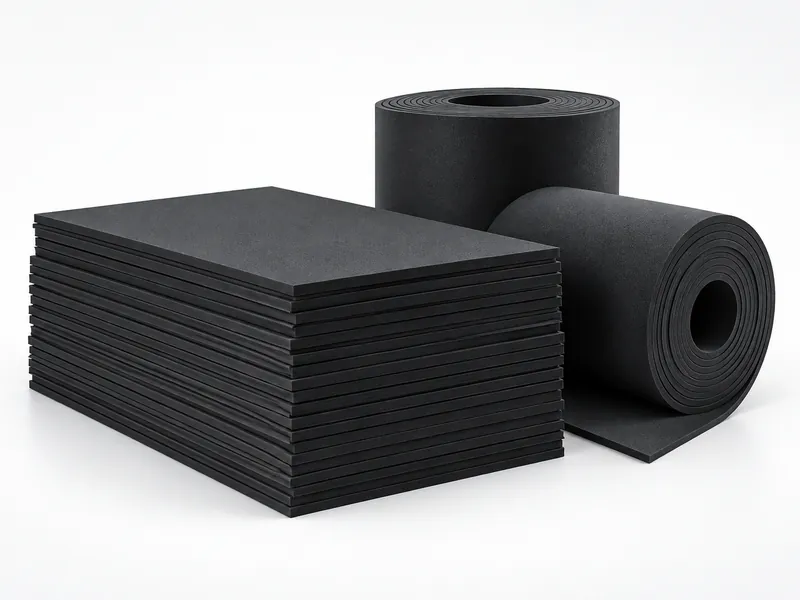
EVA foam sheets vs rolls is a format decision: both may use similar base materials, but the supply format changes how the foam is handled, converted, stored and shipped. The right choice depends on the finished part, thickness, production method and order volume—not only the price per square meter.
When EVA foam sheets are practical
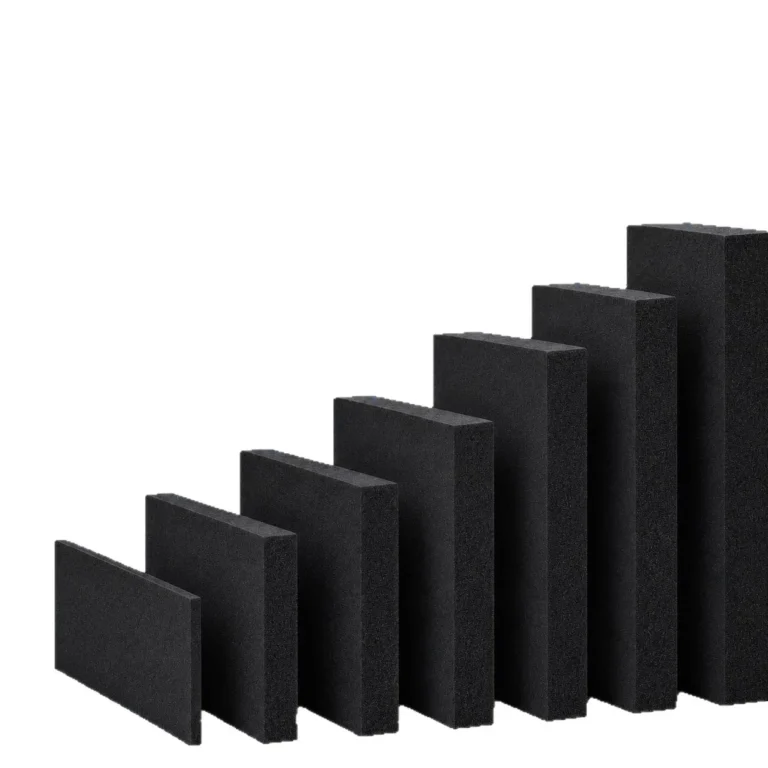
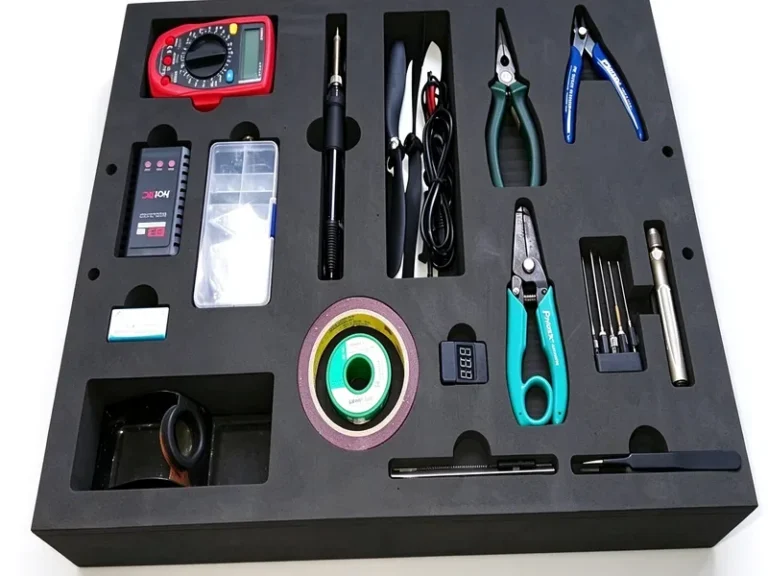
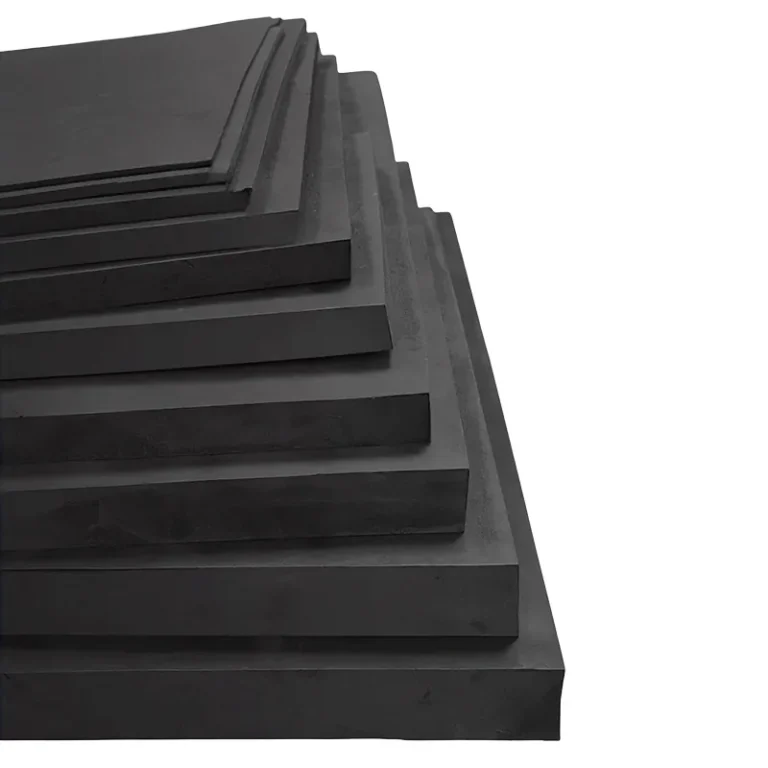
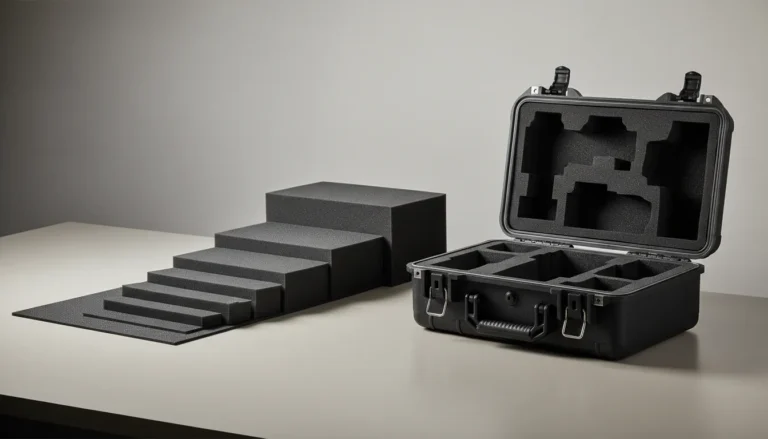
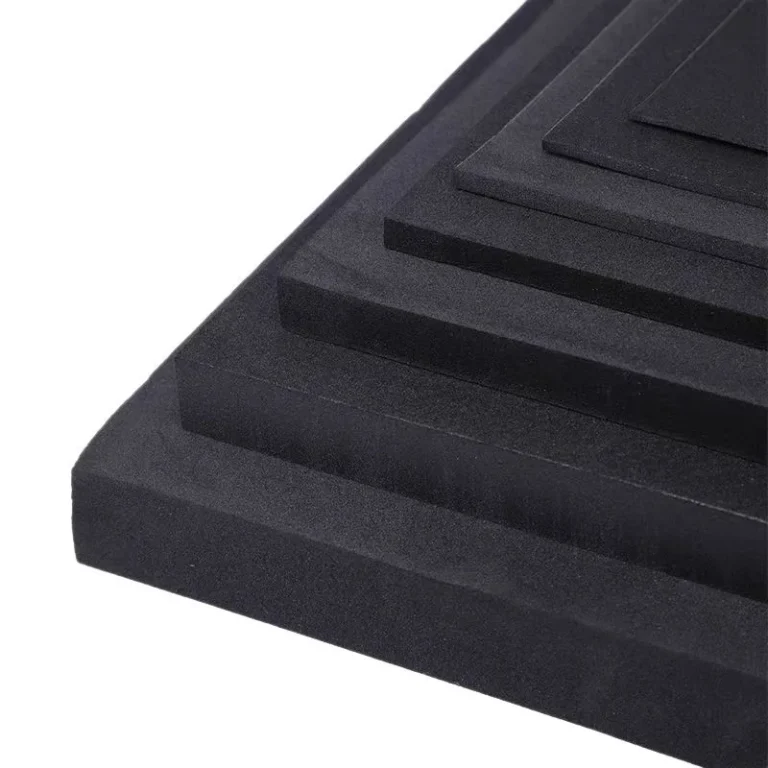
Sheets are commonly used for thicker parts, protective pads, layered packaging, case inserts and components cut as individual blanks. A defined sheet size is easy to inspect, stack, laminate and position on CNC or cutting equipment.
- Thicker foam parts and multi-layer constructions
- CNC-routed cavities and prototypes
- Case inserts, trays and protective packaging
- Projects that require several colors or laminated layers
- Smaller batches or varied part sizes
Sheet dimensions affect nesting and material yield. A large part may require a wider or longer sheet, while small parts can often be arranged to reduce waste. The sheet thickness and tolerance must also match the finished dimension after lamination or compression.
When EVA foam rolls are practical
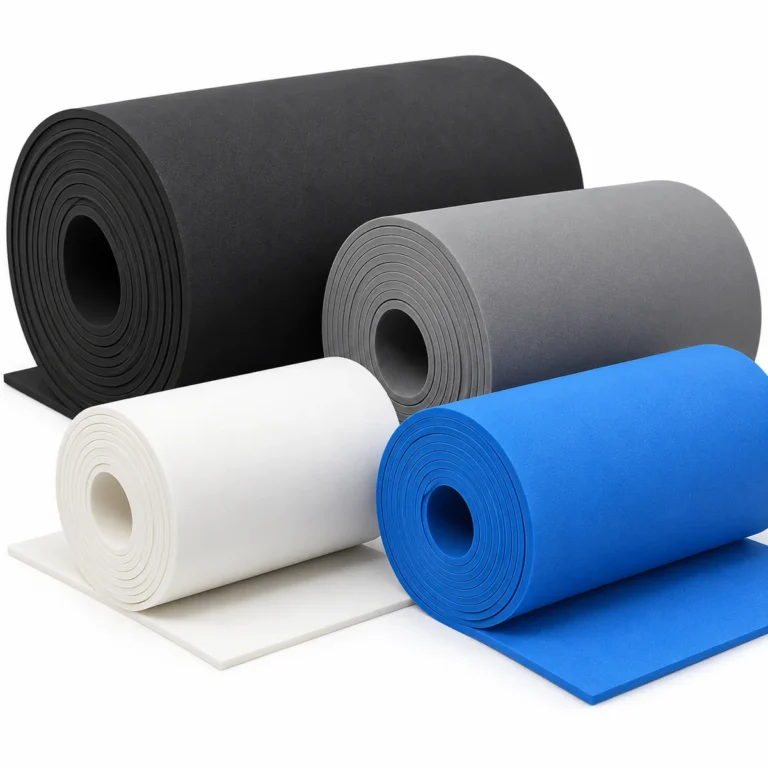
Rolls are useful for continuous converting, thinner foam, strips, gaskets, tapes, adhesive-backed parts and repeat die-cut components. They can feed suitable converting equipment with fewer individual material-handling steps.
- Continuous strips, seals, pads and tape-like parts
- Thinner foam supplied in longer lengths
- Repeat die-cut or slitting operations
- Adhesive coating or lamination on continuous material
- Production lines designed for roll feeding
Roll width, length, core, winding tension and maximum outside diameter should match the buyer’s equipment and storage plan. Thick or stiff foam may not wind as tightly as thin material, and compression during winding can influence the condition of the outer and inner layers.
Sheet vs roll comparison
| Factor | EVA foam sheets | EVA foam rolls |
|---|---|---|
| Typical thickness | Often selected for medium and thicker parts | Often selected for thinner continuous material |
| Handling | Individual flat pieces | Continuous wound length |
| Common converting | CNC routing, die cutting, lamination and fabrication | Slitting, die cutting, adhesive and continuous converting |
| Typical products | Inserts, pads, trays and layered components | Strips, seals, tapes and repeat profiles |
| Key dimensions | Sheet length, width and thickness | Roll width, length, thickness and core |
| Storage concern | Flatness, stacking and edge protection | Winding condition, compression and roll support |
Compare material specifications, not only format
“Sheet” and “roll” do not define the complete material. Compare density or hardness, thickness, tolerance, color, surface texture and any performance requirement. Ask how measurements are made because flexible foam can compress during thickness and hardness testing.
- Material grade and density or hardness test method
- Nominal thickness and acceptable tolerance
- Sheet size or roll width, length and core
- Color standard and surface texture
- Adhesive, film, fabric or other lamination
- Required documents for the exact material
For more material-selection context, see the EVA foam density guide and EVA vs PE foam comparison.
How format affects cutting and fabrication
A roll can reduce handling for repeat continuous parts, but it is not automatically the lowest-cost option. The design must fit the roll width, and winding or flatness may matter. Sheets can be convenient for varied layouts, deep CNC cavities and laminated constructions, but sheet dimensions influence nesting and offcuts.
Ask the supplier to compare total converted-part cost, including material yield, setup, tooling, labor and packing. A cheaper raw-material format can be less efficient after conversion.
Storage and transport considerations
Sheets should be stored flat and protected from contamination, direct heat and uneven pressure. Rolls need suitable support so the edges, core and winding are not damaged. Both formats should be allowed to recover from transport compression before critical measurements or converting when necessary.
Choose around the finished product
- Define the finished part and application.
- Confirm thickness, density or hardness and tolerance.
- Identify the cutting, lamination or adhesive process.
- Compare sheet nesting with roll-width utilization.
- Review order quantity and repeat production.
- Confirm packing, storage and equipment limits.
Frequently asked questions
Are rolls always thinner than sheets?
Rolls are commonly used for thinner material, but available thickness depends on the exact formulation, width and winding condition. Confirm the supplier’s range for the required material.
Can roll material be converted into sheets?
Yes, suitable rolls can be cut to length. The resulting sheet size, flatness and tolerance should be reviewed for the next production step.
Which format is better for custom inserts?
Sheets are often practical for thicker, layered or CNC-routed inserts. The final choice depends on material thickness, geometry, process and quantity.
Compare EVA Foam Supply Formats
Browse EVA foam sheets and rolls, or send your dimensions, application and quantity for a format review.