
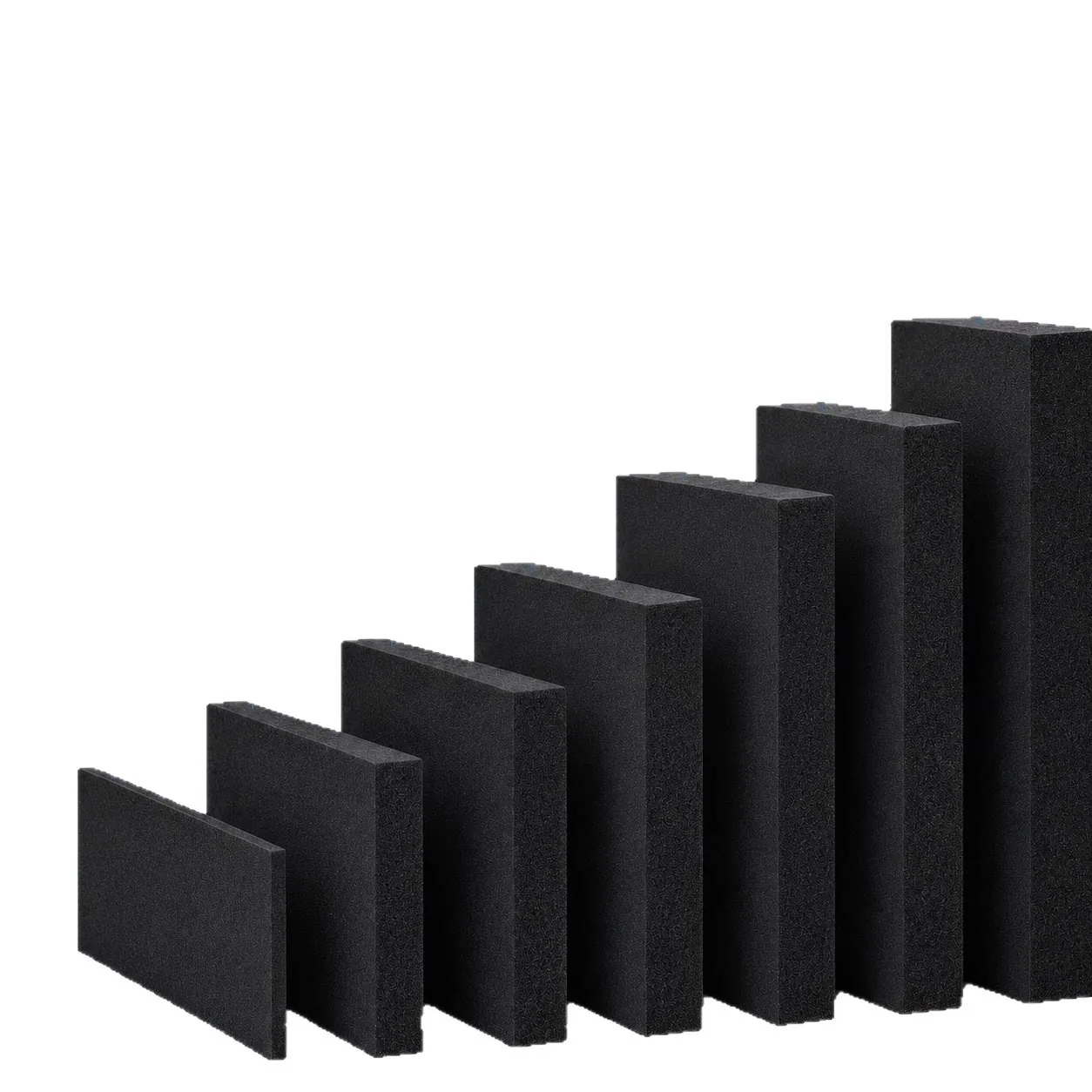
EVA Foam Hardness Guide: Shore C, Asker C & Density
When buyers compare EVA foam, density is often the first number discussed, but hardness can be just as important. EVA foam hardness describes how resistant the surface is to indentation, while density describes how much material is contained in a given volume. The two properties are related in some formulations, but they are not interchangeable.
For B2B sourcing, the safest approach is to define hardness together with density, thickness, dimensions, processing method and the final application. This guide explains how to read EVA foam hardness specifications and how to communicate them clearly to a supplier.
What EVA foam hardness means
Hardness measures resistance to a controlled indentation. A softer EVA foam deforms more easily under the test indenter, while a firmer grade resists indentation more strongly. Hardness can influence feel, support, cavity stability, edge definition and how a fabricated part behaves under compression.
Hardness should not be treated as a complete performance specification. Two EVA foams with similar hardness can still differ in density, rebound, compression behavior, cell structure, surface finish and long-term durability.
Confirm the test scale: Shore C, Asker C and Shore A
EVA foam suppliers may use Shore C, Asker C, Shore A or another durometer scale depending on the market and material grade. These scales are not interchangeable. In particular, a requirement stating only “C hardness” is incomplete: Shore C and Asker C should not be assumed to mean the same test. Ask which instrument, scale and test method are used. Asker C is commonly used for soft foam and elastomers.
When requesting a quotation, specify the hardness value and its test scale, together with specimen thickness and test conditions where available. If you are matching existing foam, a physical reference sample helps the supplier compare candidate materials under consistent conditions. For an example of the Asker C testing instrument, see this Asker Type C technical reference.
EVA foam hardness vs density
Density and hardness answer different questions. Density is normally expressed as mass per unit volume. Hardness describes resistance to indentation. A higher-density foam is not automatically harder, and a harder foam is not automatically the best choice for protection.
For a deeper explanation of density, see our EVA foam density guide. Buyers should evaluate the two properties together rather than selecting one specification in isolation. See also our EVA foam sheet buying guide for a purchasing checklist.
How hardness affects different applications
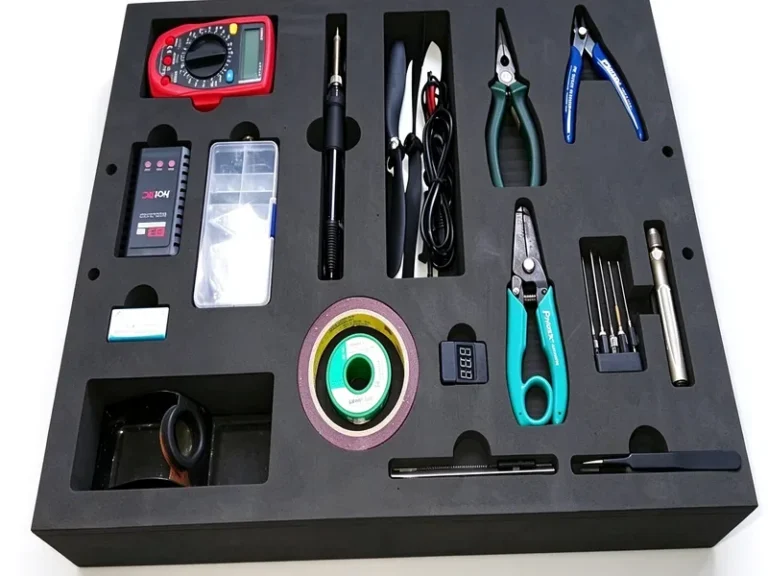
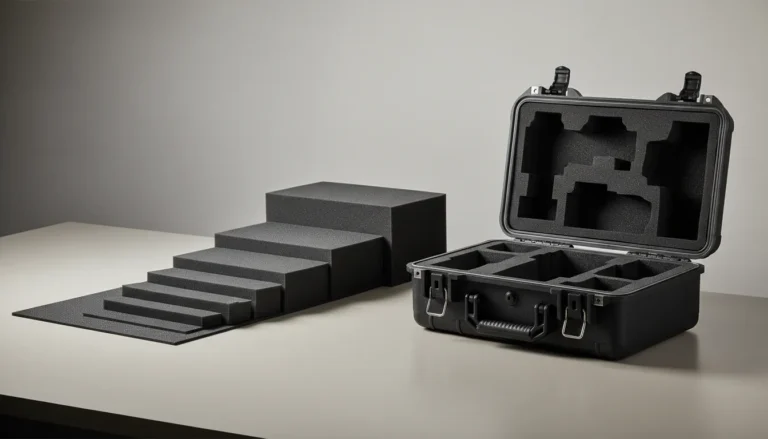
Protective packaging and inserts. Softer foam can conform around a product and provide cushioning, while firmer foam may provide stronger cavity walls and a more structured presentation. The correct balance depends on product weight, fragility, cavity geometry and transport conditions.
Industrial pads and fabricated parts. Hardness can influence dimensional stability, compression resistance and how well a part holds its shape. Processing method and thickness also matter, especially for narrow walls, machined cavities and laminated constructions.
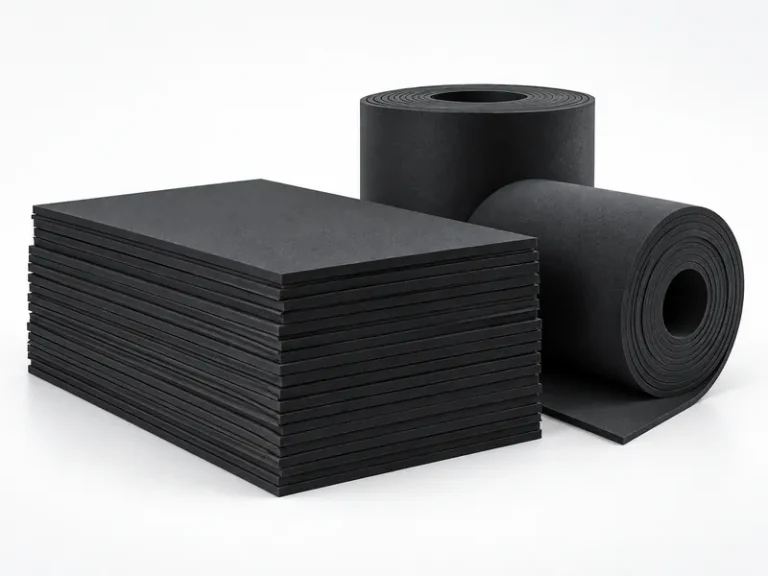
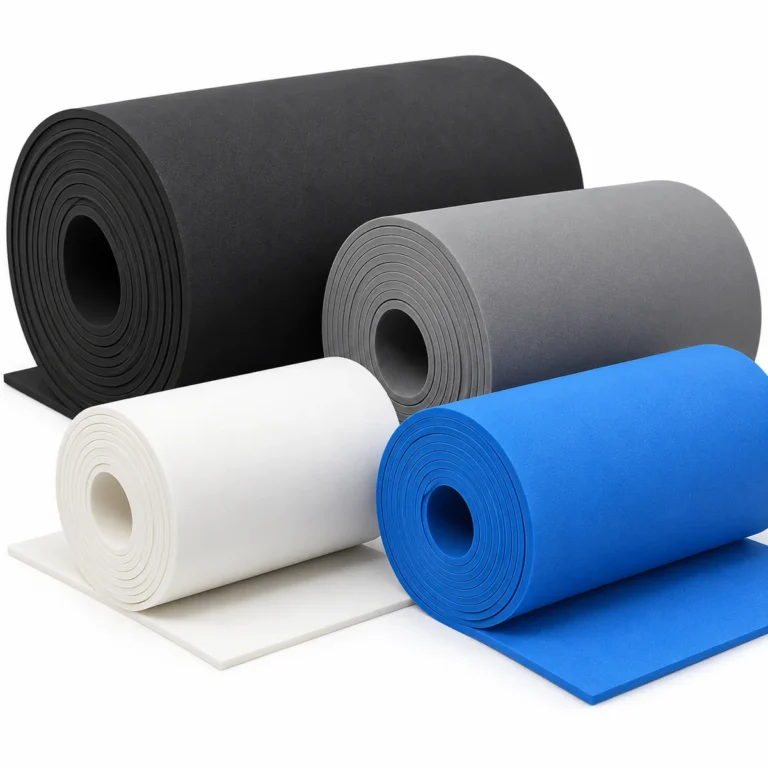
Sheets and rolls. Buyers often specify hardness together with sheet thickness, density, color and dimensions. If the material will later be die cut, CNC routed, laminated or adhesive backed, the converting process should be reviewed before the grade is finalized.
Finished OEM products. The correct hardness depends on how the user interacts with the product. A floating, protective, sporting or structural EVA component may require different combinations of firmness, thickness and geometry.
Hardness and thickness work together
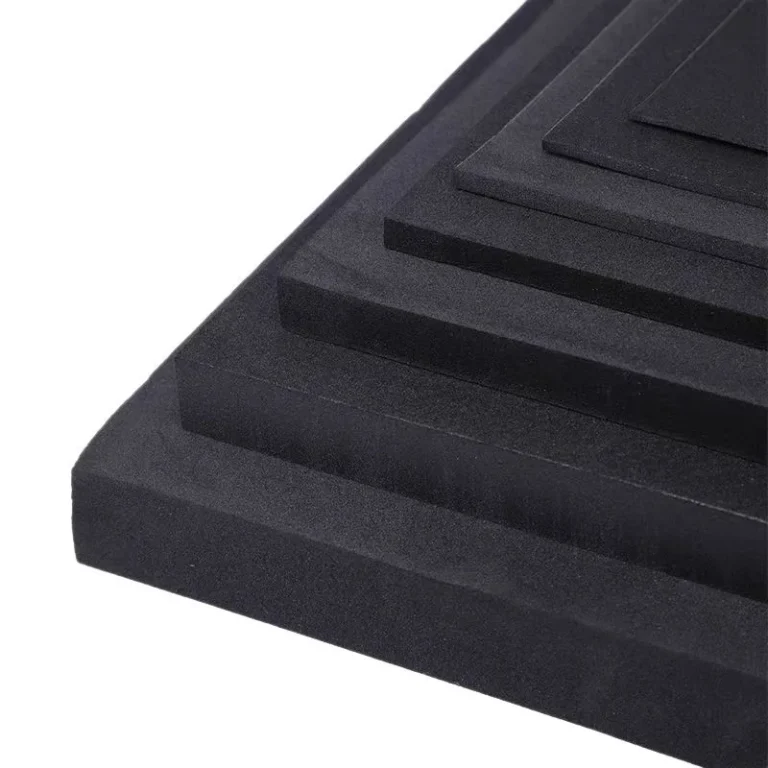
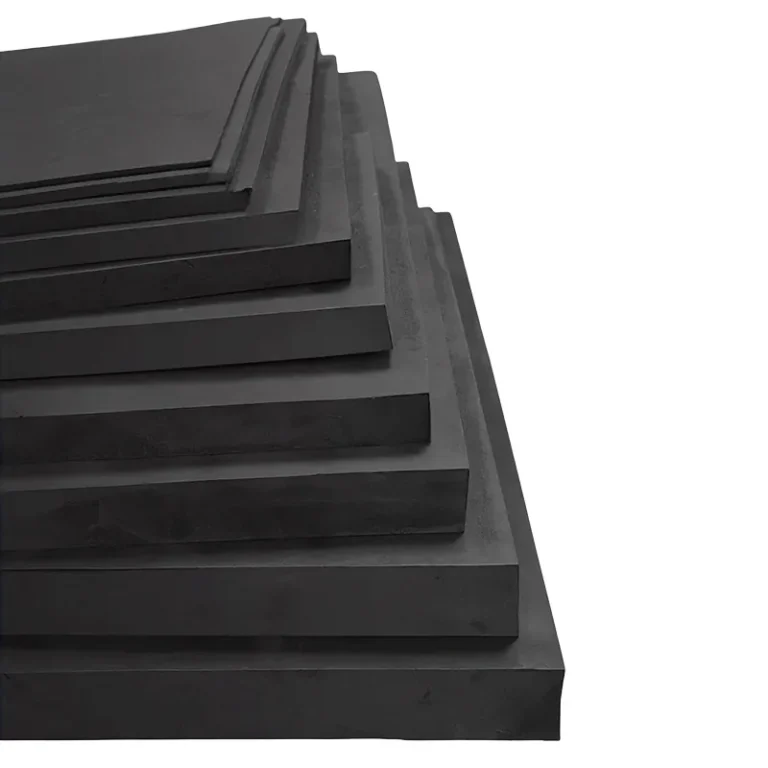
A thin firm sheet and a thick soft sheet can behave very differently even if one individual specification looks suitable. Thickness changes the amount of material available to compress and affects how a part distributes load.
For cushioning designs, review hardness together with the remaining foam below the product, cavity depth and available package space. Our guide on selecting EVA foam thickness for cushioning explains these interactions in more detail.
Do not select hardness from a universal chart alone
Reference charts are useful for narrowing options, but they cannot account for every formulation, test scale, thickness or product geometry. The same nominal hardness can feel different when sheet thickness, surface skin, lamination or foam structure changes.
For new projects, it is usually more reliable to compare representative samples under realistic conditions and then record the approved specification for repeat orders.
What to send an EVA foam supplier
- Target hardness and the hardness scale, if known
- Density or approved reference sample, if available
- Thickness, sheet size or finished-part dimensions
- Color and surface requirements
- Application and loading conditions
- Required cutting, CNC routing, lamination or adhesive backing
- Prototype quantity and expected bulk order volume
If the hardness is not yet known, describe the application instead of guessing a number. YUTANO can review the requirement together with the material and processing method. See our custom EVA foam sheet page for sheet supply options and our custom EVA foam solutions for converting and OEM/ODM support.
Frequently asked questions
Is higher EVA foam hardness always better?
No. Higher hardness may improve firmness or structural support, but it can reduce compliance and change cushioning behavior. The correct value depends on the application.
Can I convert Shore A to Shore C directly?
No reliable one-to-one conversion should be assumed. Different scales use different indenters, springs and test conditions. Request the scale and method instead of applying a generic conversion chart.
Can two EVA foams have the same hardness but different density?
Yes. Formulation and foam structure can produce different density and performance even when hardness readings are similar.
Should I approve a sample before bulk production?
For custom applications, sample approval is strongly recommended. Record the approved hardness, density, thickness, dimensions and appearance so repeat orders can be controlled against the same specification.
Review Your EVA Foam Specification
If you are comparing EVA foam grades or need a custom sheet, fabricated part or OEM product, send YUTANO your drawing, dimensions, application and target specifications. We can review material hardness together with density, thickness and processing requirements before sampling and bulk production. Request a quote.

2 Comments
Comments are closed.