
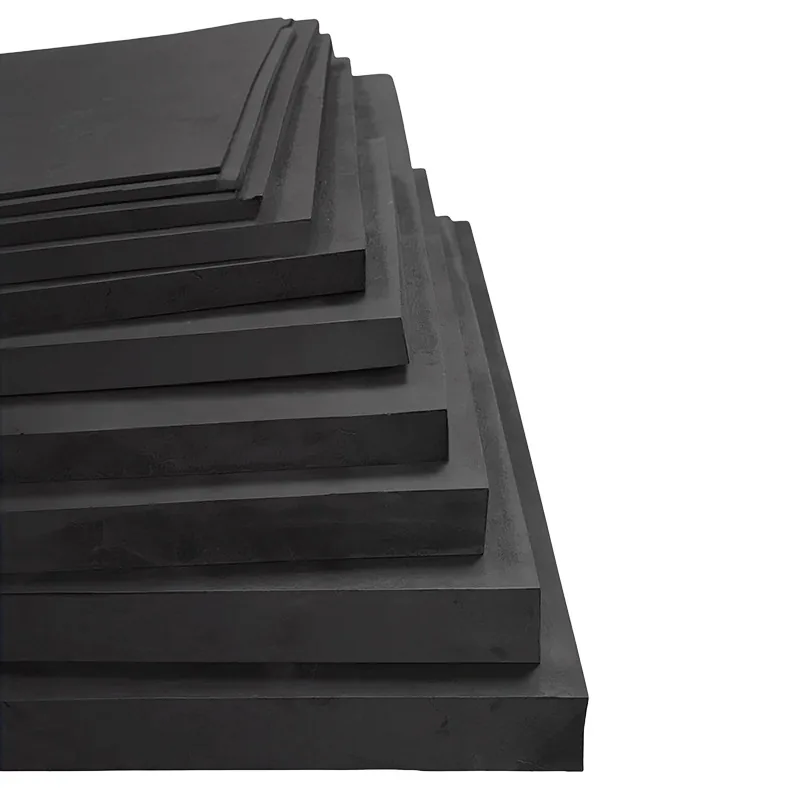
EVA Foam Sheet Buying Guide: Density, Hardness & Supply
Buying EVA foam sheets for an industrial or packaging project involves more than choosing a color and thickness. A useful specification should define the material properties, sheet dimensions, processing requirements and the way the finished part will be used.
For B2B buyers comparing an EVA foam sheet supplier or manufacturer, the goal is to create a specification that can be sampled, approved and repeated in bulk production. This guide explains the main decisions to make before requesting a quotation.
Start with the application and purchase requirements
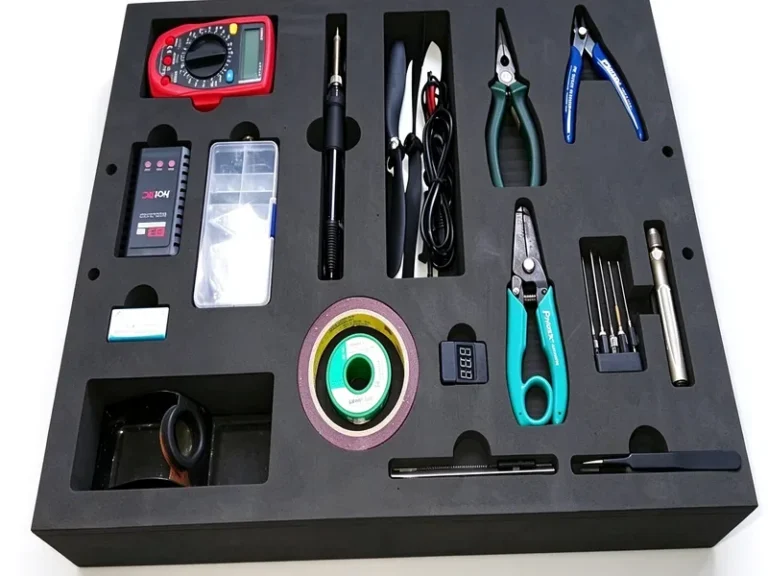
The application determines which material properties matter most. Packaging inserts may prioritize cushioning, cavity stability and appearance. Industrial pads may require dimensional consistency, compression resistance or adhesive backing. Finished OEM products may add assembly, printing, lamination or molded features.
Before discussing a foam grade, describe what the sheet will become, how it will be processed and what conditions it will face in use. This helps distinguish requests for raw sheets from requests for ready-cut parts, finished inserts or OEM assemblies.
| Application | Specifications to prioritize | Supply format |
|---|---|---|
| Packaging inserts | Density, hardness, thickness, fit and cushioning | Sheets or cut inserts |
| Industrial pads | Dimensions, compression, surface and adhesive | Sheet, die-cut or CNC-cut parts |
| Case liners | Cavity layout, appearance and layer bonding | Converted or laminated parts |
| General converting | Cutting yield, size, tolerance and process | Sheets or rolls |
Choose density and hardness together
Density describes the amount of material in a given volume, while hardness describes resistance to indentation. They should be reviewed together because neither value alone defines how a finished EVA part will perform.
If you are still selecting a material, compare our EVA foam density guide with the EVA foam hardness guide. For a repeat project, an approved physical sample can also help a supplier match the required feel and structure.
Define sheet thickness and dimensions
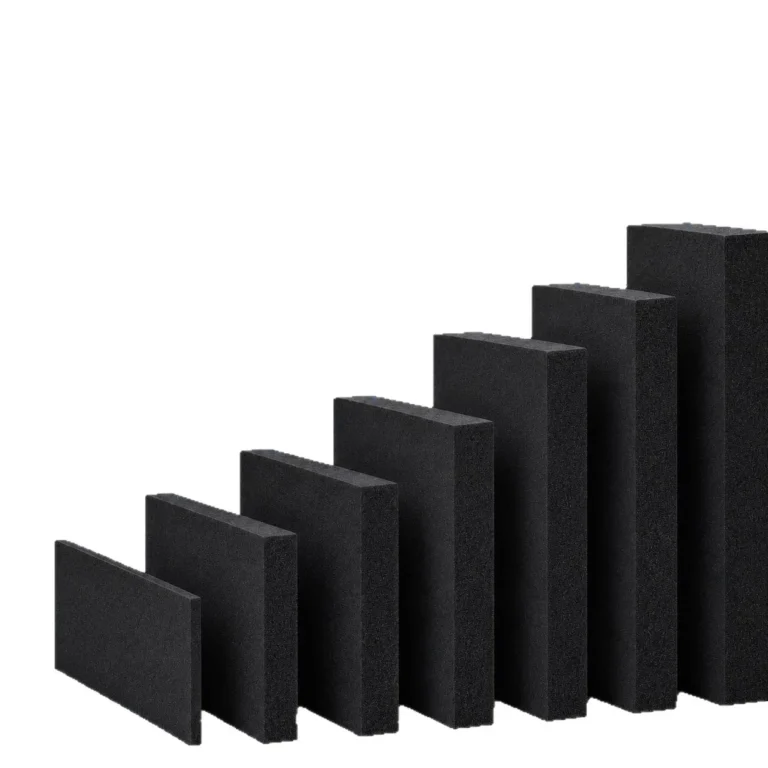
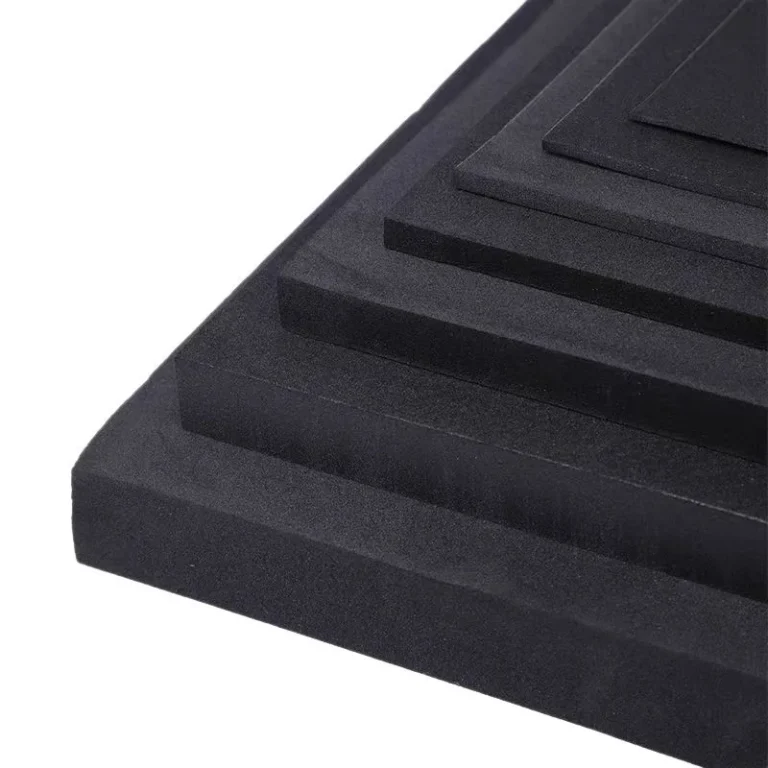
Thickness affects cushioning, rigidity, available machining depth and material usage. Sheet length and width affect cutting yield and handling. A buyer should specify nominal dimensions, acceptable tolerances and finished-part requirements rather than assuming that any standard sheet size will be suitable. If cutting yield matters, include the finished-part drawing so the supplier can review layout.
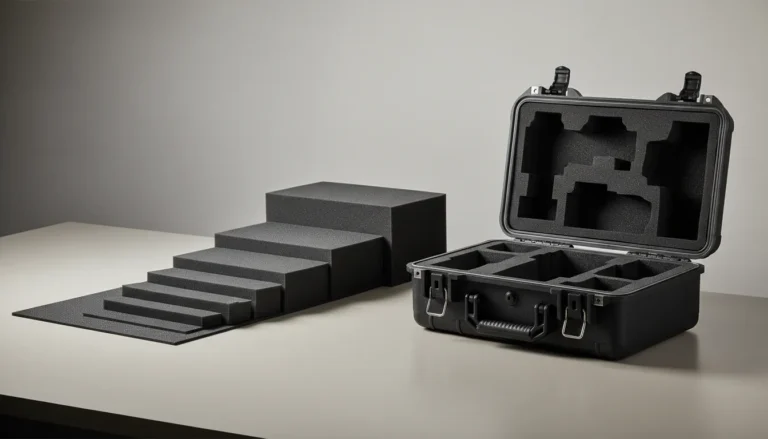
If the foam will be used for protective cavities or layered inserts, see our guide on EVA foam thickness for cushioning and protection.
Sheet or roll?
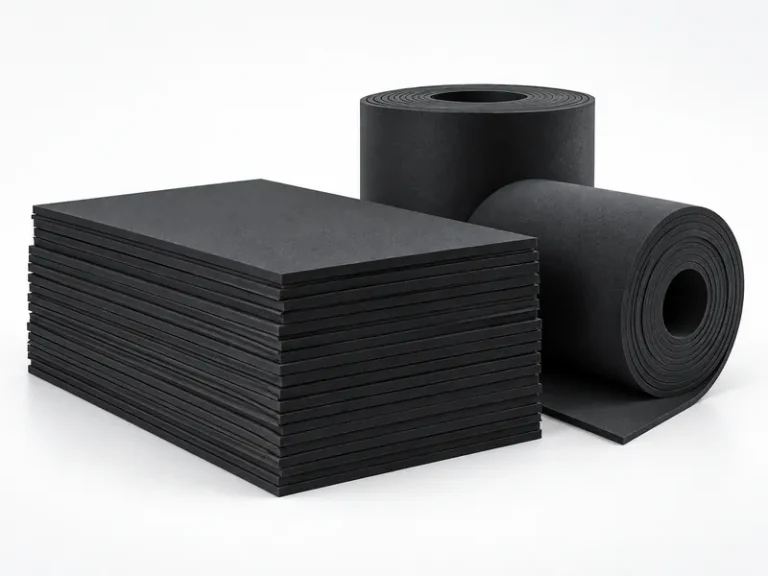
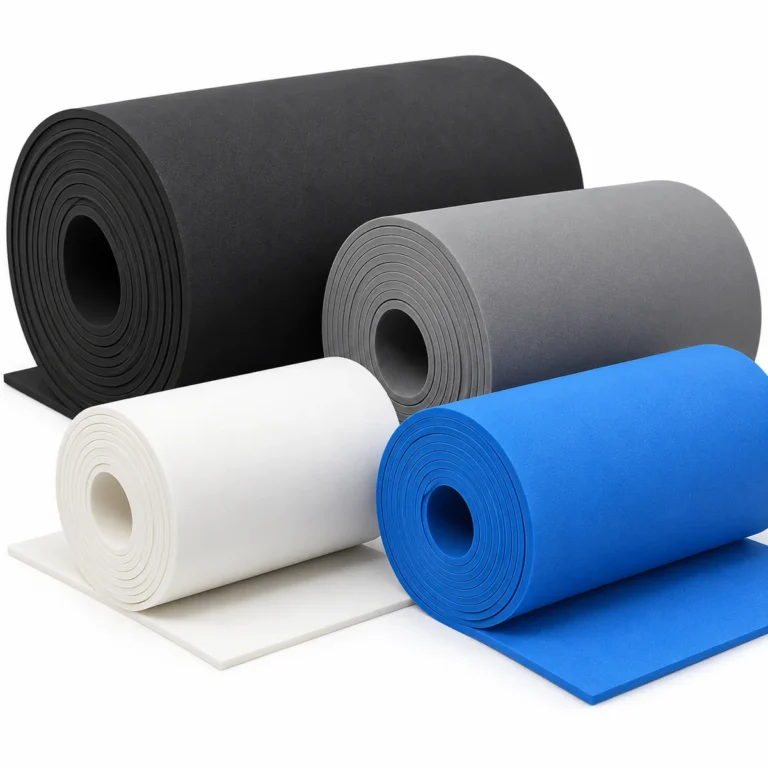
Sheets are convenient for thicker material, CNC machining, layered inserts and many fabricated components. Rolls can be practical for thinner material, continuous conversion and applications where long lengths reduce handling.
The correct format depends on the material thickness, converting method and order quantity. Our EVA foam sheets vs rolls guide compares the two supply formats in more detail.
Review color, surface and special properties
Standard black and white are common choices, but custom colors may be available depending on formulation and order quantity. Buyers should also define whether the visible surface needs a specific texture, skin, finish or appearance.
Some industrial applications may require additional material properties such as flame-retardant or anti-static performance. These requirements should be confirmed before sampling because they may affect formulation, testing, price and minimum order quantity. Ask for documentation matching the specific grade and required test standard; a general material label alone does not prove compliance. YUTANO also supplies anti-static and fire-retardant EVA foam sheet options for suitable projects.
Decide whether the sheet needs adhesive backing
Self-adhesive EVA can simplify assembly, but the adhesive system should be selected around the substrate, temperature, surface condition and required bond strength. The foam specification and adhesive specification should be treated as separate decisions.
When requesting adhesive-backed material, state whether the adhesive is single-sided or double-sided, the type of release liner required and what surface the foam will be bonded to.
Plan the converting process before ordering material
Many buyers do not need raw sheets only. The material may later be die cut, CNC routed, laminated, skived, printed or assembled into a finished component. The selected sheet should be compatible with the planned process.
For shaped parts and inserts, our CNC vs die cutting guide explains how geometry, tooling, quantity and tolerance influence process selection.
What a B2B EVA foam sheet RFQ should include
- Application and finished-product description
- Density and hardness target, if known
- Thickness, length and width
- Color and surface requirements
- Special properties such as anti-static or flame-retardant performance
- Adhesive backing or lamination requirements
- Cutting, CNC, printing or assembly requirements
- Drawing, tolerances or physical reference sample
- Prototype quantity and expected production volume
- Packaging, labeling and destination
If some specifications are not yet confirmed, identify them as open points instead of guessing. A supplier can then recommend samples or options for evaluation. For a complete RFQ checklist, see what information is needed for a custom EVA foam quote.
Why sample approval matters
Technical numbers are important, but a representative sample lets the buyer confirm feel, color, thickness, cut quality and fit before bulk production. Before approval, also agree on sample and tooling costs, realistic lead time, permissible tolerances and critical inspection points. Once approved, record the key specification so future orders can be compared against the same reference.
Frequently asked questions
What should I ask an EVA foam sheet supplier first?
Start with the application, required thickness and dimensions, expected quantity and any known density or hardness target. This gives the supplier enough context to recommend the next step.
Is a higher-density EVA sheet always better?
No. Higher density is not automatically better for cushioning, weight, cost or processing. Material selection should match the function of the finished part.
Can EVA foam sheets be supplied already cut to shape?
Yes. Depending on geometry and quantity, EVA sheets can be converted into custom pads, inserts and components using processes such as die cutting, CNC routing, lamination and other fabrication methods.
Should I order raw sheets or finished parts?
If you already have reliable converting capability, raw sheets may be appropriate. If you need controlled dimensions, cavities, lamination, adhesive backing or assembly, ordering converted parts can reduce downstream processing steps.
Source EVA Foam Sheets for Your Project
YUTANO supplies custom EVA foam sheets and supports CNC cutting, die cutting, lamination, packaging inserts and OEM/ODM production. Send your target specifications, drawing or reference sample and expected quantity so we can review the material and production route. Request a quote.

One Comment
Comments are closed.